

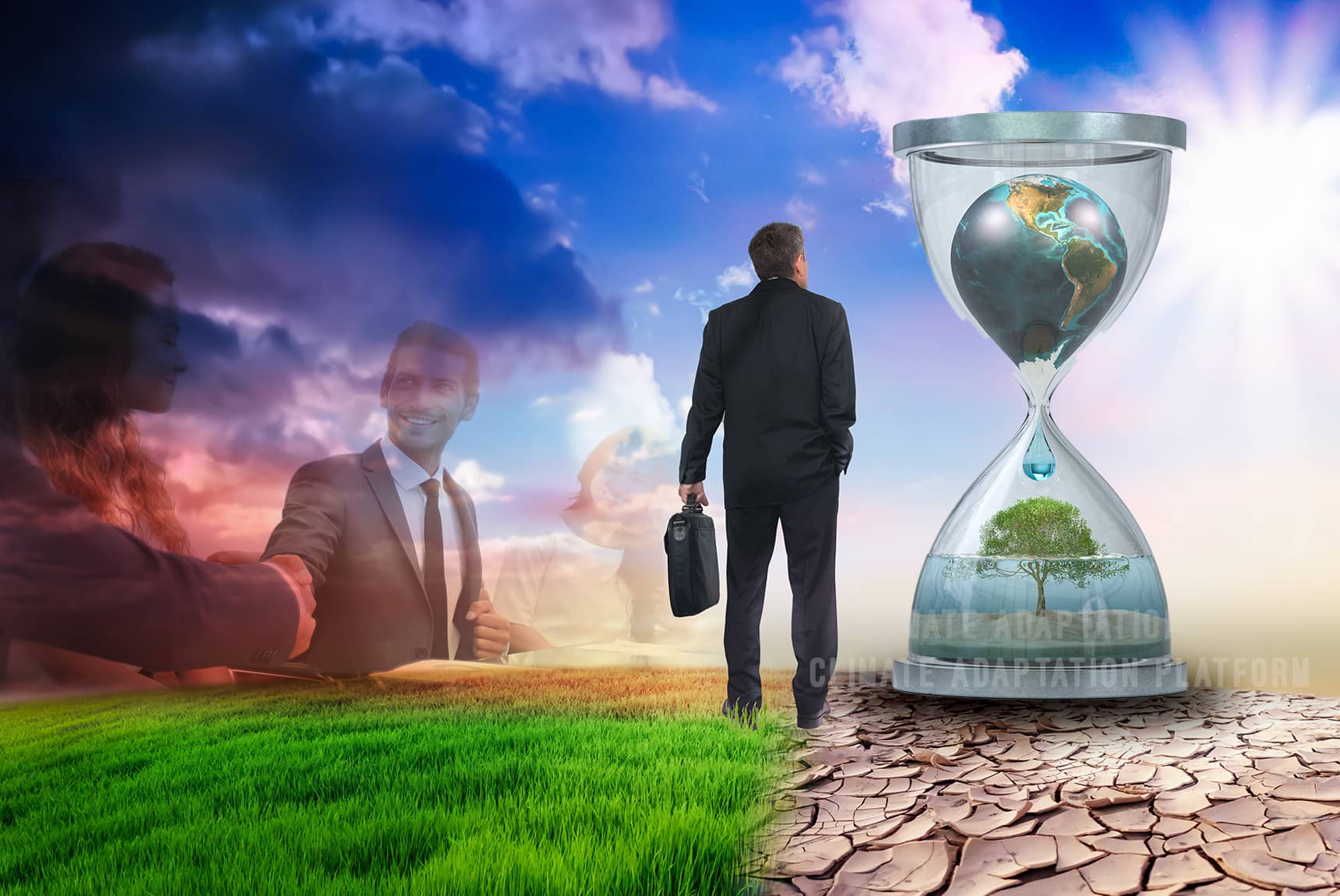

The climate crisis is no longer a distant threat—it’s a present-day challenge that is transforming the way businesses operate globally. As extreme weather events become more frequent and climate-related regulations tighten, companies are being forced to reevaluate their strategies, operations, and responsibilities. In this article, we explore the business impact of the climate crisis, offering insights into financial, operational, reputational, and legal implications.
Introduction to the Climate Crisis
The climate crisis refers to long-term shifts in temperatures and weather patterns, primarily caused by human activities like burning fossil fuels. This has led to rising global temperatures, melting ice caps, and more severe storms, floods, droughts, and wildfires. Businesses, regardless of size or industry, are not immune to these changes. The climate crisis is a business crisis—affecting operations, costs, customer relationships, and profitability.
How the Climate Crisis Affects Business
Climate Change is Reshaping Business Environments
The climate crisis introduces uncertainties that directly and indirectly disrupt business environments. From resource scarcity to workforce displacement, the operational landscape is changing. Organizations must factor in climate risk alongside traditional business risks like market fluctuations and competition.
Financial Impact of Climate Change on Businesses
Increased Operational Costs
One of the most immediate effects of climate change on business is the rise in operational costs. Cooling costs during heatwaves, water costs during droughts, and fuel costs due to transportation disruptions can eat into profits.
Capital Investments in Sustainable Technologies
Companies are increasingly being required to invest in green technologies, carbon offsetting, and sustainable practices to meet regulatory requirements and consumer expectations. These investments, while necessary, require significant capital.
Operational Disruptions and Supply Chain Challenges
Vulnerable Supply Chains
Climate-related disruptions—such as floods, storms, or fires—can halt production lines and delay deliveries. Businesses dependent on global supply chains are especially vulnerable.
Logistics and Transportation Delays
Extreme weather events frequently delay shipments, damage infrastructure, and raise transportation costs. Businesses must now factor in climate resilience when choosing suppliers and logistics partners.
Climate Risk and Insurance Costs
Higher Premiums and Limited Coverage
As climate-related disasters grow, insurance companies are adjusting their risk models. This often results in higher premiums for businesses in vulnerable areas or complete denial of coverage for certain types of damage.
Business Continuity Planning is Essential
In response, more businesses are investing in business continuity and disaster recovery plans to mitigate financial losses and resume operations swiftly after a climate event.
Regulatory and Compliance Pressures
Emerging Climate Regulations
Governments around the world are introducing climate regulations aimed at reducing carbon emissions and promoting sustainability. Businesses must comply with rules on energy use, emissions, waste management, and reporting.
Risk of Fines and Legal Action
Failure to comply can result in hefty fines and legal consequences. Moreover, public companies may face shareholder lawsuits if they fail to disclose climate-related risks in their financial reporting.
Reputational Impact and Consumer Behavior
Growing Consumer Demand for Sustainability
Today’s consumers are environmentally conscious and prefer brands that prioritize sustainability. Businesses seen as environmentally irresponsible risk brand damage and loss of customer loyalty.
Social Media Amplifies Accountability
Social media platforms amplify the voices of climate-conscious consumers. A single misstep can result in widespread backlash, boycotts, or damage to a brand’s image.
The Rise of ESG Investing
What is ESG?
ESG (Environmental, Social, and Governance) investing is a trend where investors evaluate companies based on their environmental and social performance as well as governance policies. The climate crisis has made ESG metrics more important than ever.
Climate Performance Affects Access to Capital
Companies that fail to adapt may find it harder to attract investors or secure loans. Financial institutions are increasingly evaluating climate risk exposure before funding projects or businesses.
Industry-Specific Impacts
Agriculture
Farmers and agri-businesses face unpredictable growing seasons, water scarcity, and soil degradation. Crop yields are falling in many regions, leading to food insecurity and price volatility.
Manufacturing
Manufacturers rely on a stable environment for production. Heatwaves can make factories unsafe, while floods or storms can damage inventory and disrupt assembly lines.
Real Estate
Properties located in flood-prone or wildfire-prone areas are losing value. Real estate developers now factor climate resilience into design, location, and construction materials.
Energy
The energy sector is both a contributor to and a victim of the climate crisis. Fossil fuel companies face regulatory pressure to decarbonize, while renewable energy providers are scaling up rapidly.
Technology
While tech companies often have smaller carbon footprints, they are not exempt. Data centers consume large amounts of energy and water, making energy efficiency and carbon neutrality key concerns.
Strategies for Climate Resilience
Adopt a Climate Risk Assessment Framework
Businesses should conduct a climate risk assessment to identify vulnerabilities in their operations, supply chains, and assets. This helps in proactive planning and resource allocation.
Invest in Sustainable Infrastructure
From solar panels to energy-efficient buildings, investing in green infrastructure can reduce emissions and lower long-term operating costs.
Embrace Circular Economy Practices
The circular economy involves reducing waste, reusing materials, and recycling products. This approach helps businesses lower costs and appeal to environmentally conscious consumers.
Train and Educate the Workforce
Employees must be educated on sustainability practices and climate risks. Training programs can empower staff to make eco-conscious decisions across all levels of the business.
Conclusion
The climate crisis is reshaping the business world in profound ways. From rising costs and supply chain disruptions to regulatory pressure and shifting consumer preferences, businesses can no longer afford to ignore environmental risks.
However, the climate crisis also presents an opportunity: the chance to innovate, lead, and build resilient and sustainable business models. By understanding the business impact of climate change and taking proactive steps, companies can safeguard their future while contributing to a more sustainable planet.